“ee-dahn shoo”
I turn ambiguous problems into shipped products.
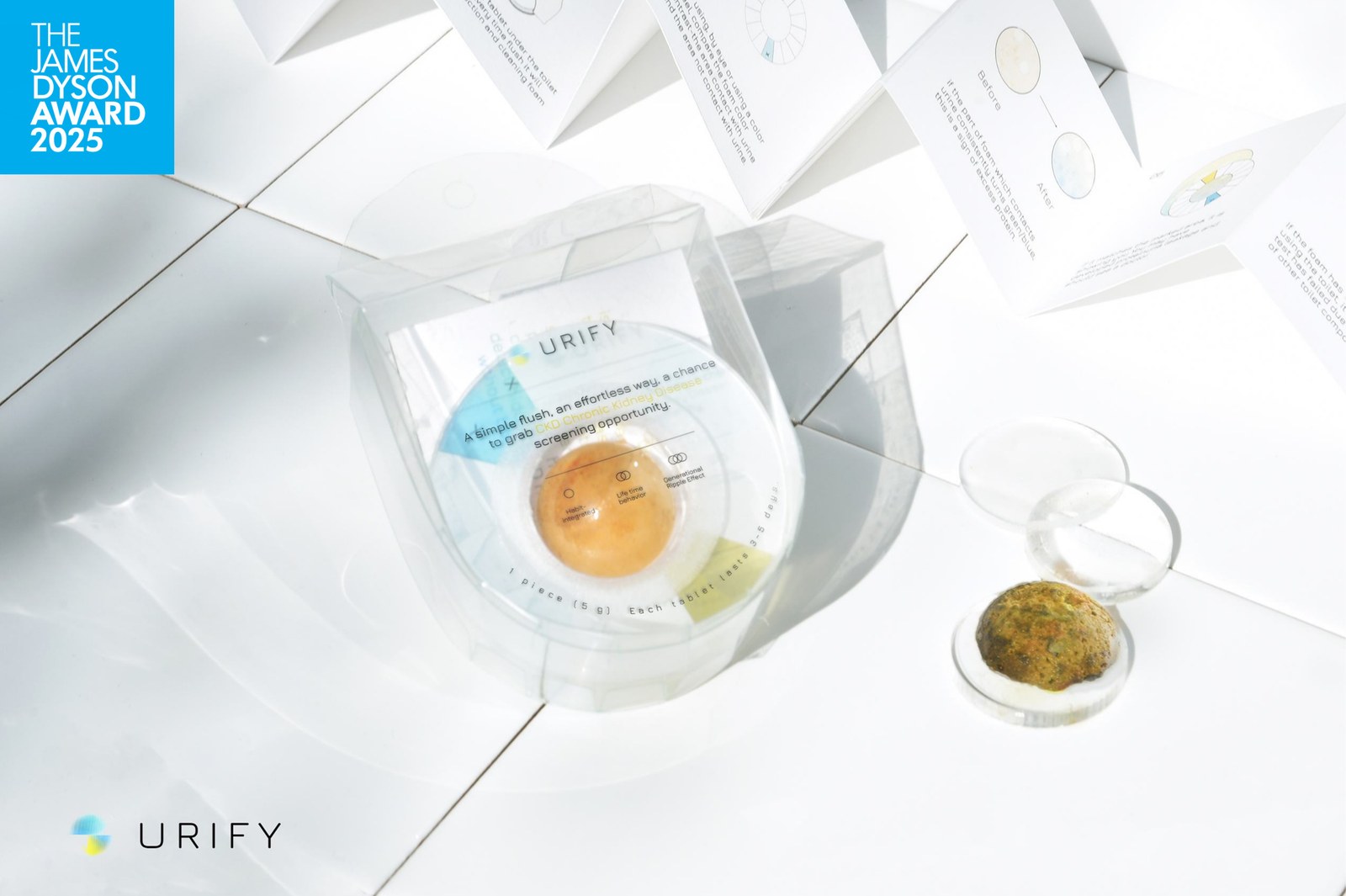
I am a product designer and a researcher, based in London. I did a double master's in Innovation Design Engineering at Imperial College London and the Royal College of Art. I like problems that need science and people at the same time. Right now I am building Urify. It is a health product, and Imperial College London is incubating it.
AI spends most of its time adding. The taste for taking things away has to stay with a person. Everyone has the same tools now, so anything involving a person I still do by hand, and AI does the extracting, cross-checking, generating and testing around it. I wrote down the whole loop, and what building this way taught me about how much a system should decide on its own.
The last time software asked people to hand over something they cared about, it was money. Fintech spent ten years earning that, and what earned it was the boring part. You could see what happened. You could see why. You could follow every step backwards. And you could stop it.
AI is asking for the same thing again, for decisions instead of money. I think it gets earned the same way.
So when I design something that acts on a person’s behalf, I hold it to four things:
Most of the AI products I use manage the first one. The fourth is usually the one that was left out.
A mockup tells you what something looks like. It cannot tell you whether anyone comes back to it on day nine. So when a question needs real use to answer, I use AI to build the working thing and put it in front of someone. Below is one I kept using myself, which is the honest test.
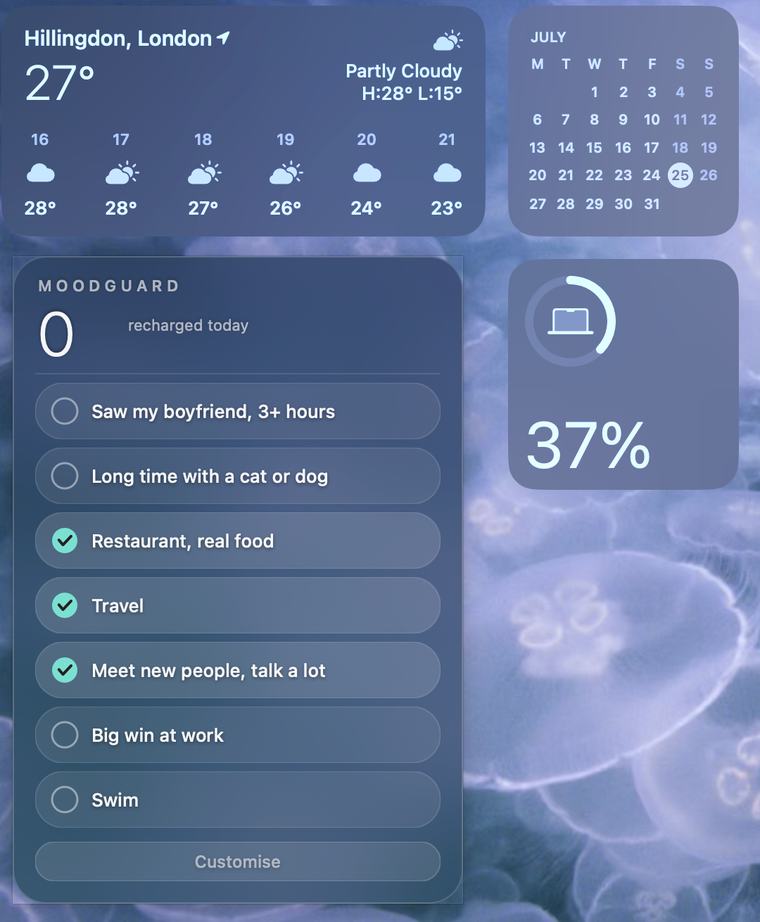
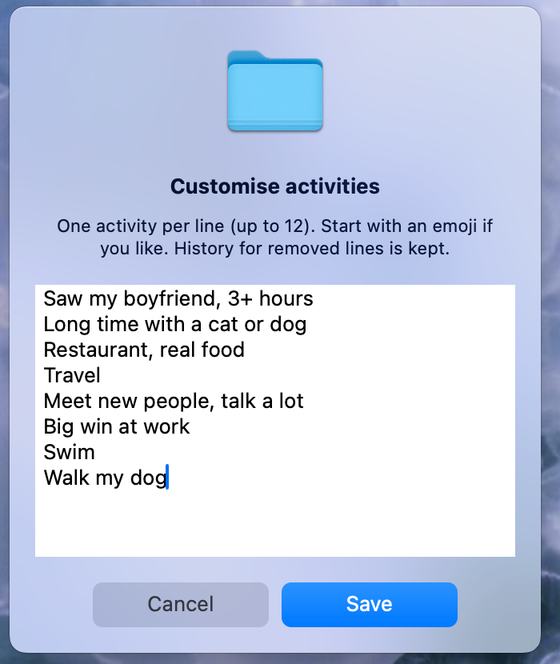
I work alone on urgent things a lot. When I do, I get absorbed and forget the rest. I forget food. I forget sleep. I forget people. So I built MoodGuard. It is a widget, and it sits on the desktop next to the stock ones. It tracks the things that recharge me. You pick your own list. Each activity gets one pill, and you tap a pill to fill it in. A big number counts the days since the last one. Go 14 days with no real recharge and it warns you. Then you can do something before a low mood lands. It is free, and you can change all of it.

Mostly heads-down on weaving AI into everyday life: not chatbots bolted onto things, but small, specific tools that remove real friction. Some ship as client work, some are just for me, like the MoodGuard widget above. Also building Urify and designing at 1Soul.
Open to product design roles and collaborations in London and remotely.