Yidan Xu

Yīdān Xú “ee-dahn shoo”

I turn ambiguous problems into shipped products.

Product Designer · 2 years’ experience · AI · London
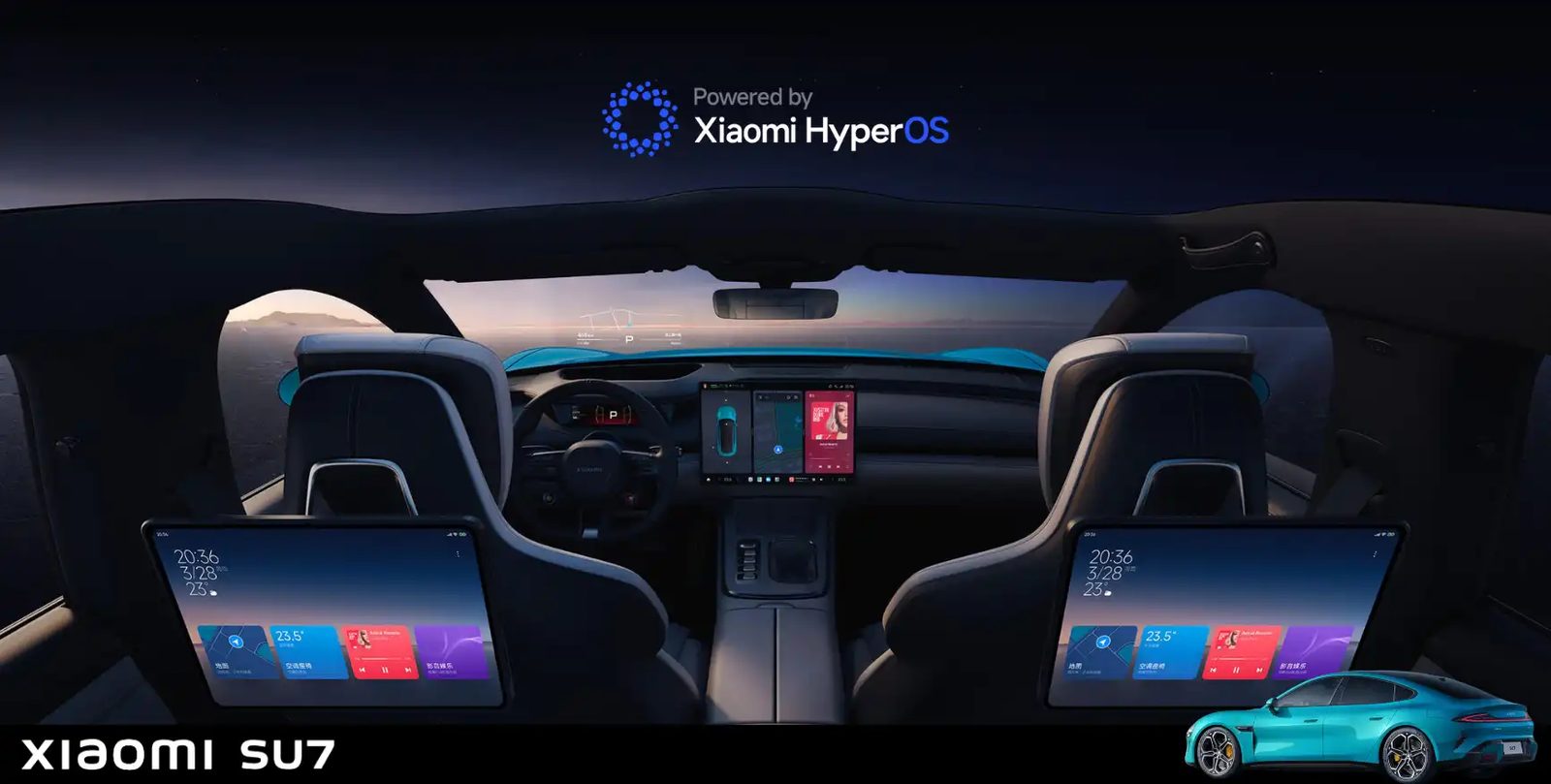
Xiaomi SU7 digital cockpit interior
2025 · HMI · Digital cockpit

Xiaomi AutoThe car is built to be an extension of the home. I designed the screens that had to behave like a room.

Centre screen and rear screens on the SU7. Then I adapted them to Europe’s standards for new scenarios, and what came back went into the system design.

View case study
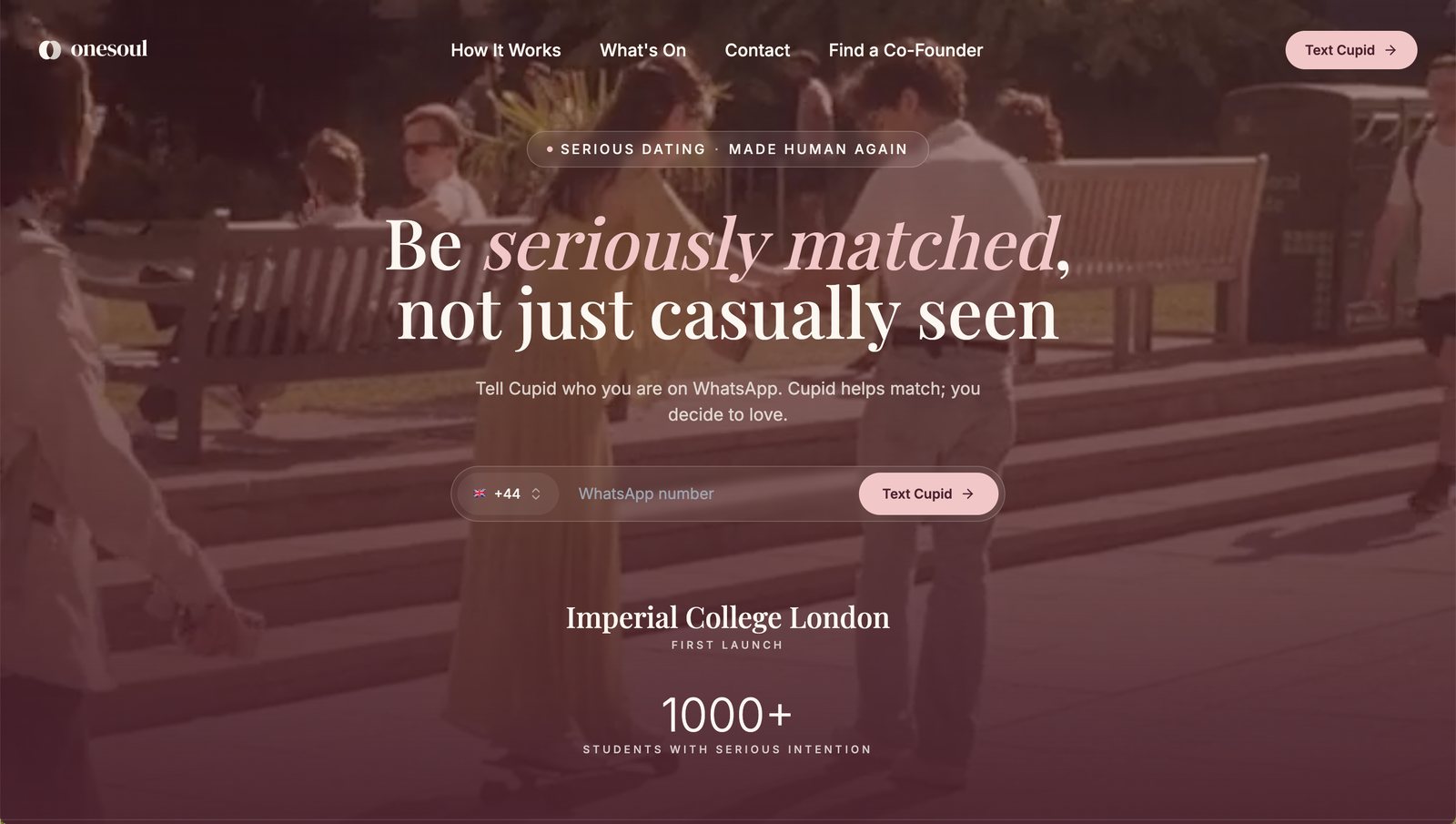
1Soul homepage — ‘Be seriously matched, not just casually seen’
2026 · AI · Product strategy · Website

1SoulIn my second month there I rebuilt the site around one audience, and female sign-ups went up 25%.

The only designer at an AI startup backed by EWOR, Europe’s most selective founder fellowship, run by unicorn founders. I work with the CEO on what the product is, and I own the front end on my own.

View case study
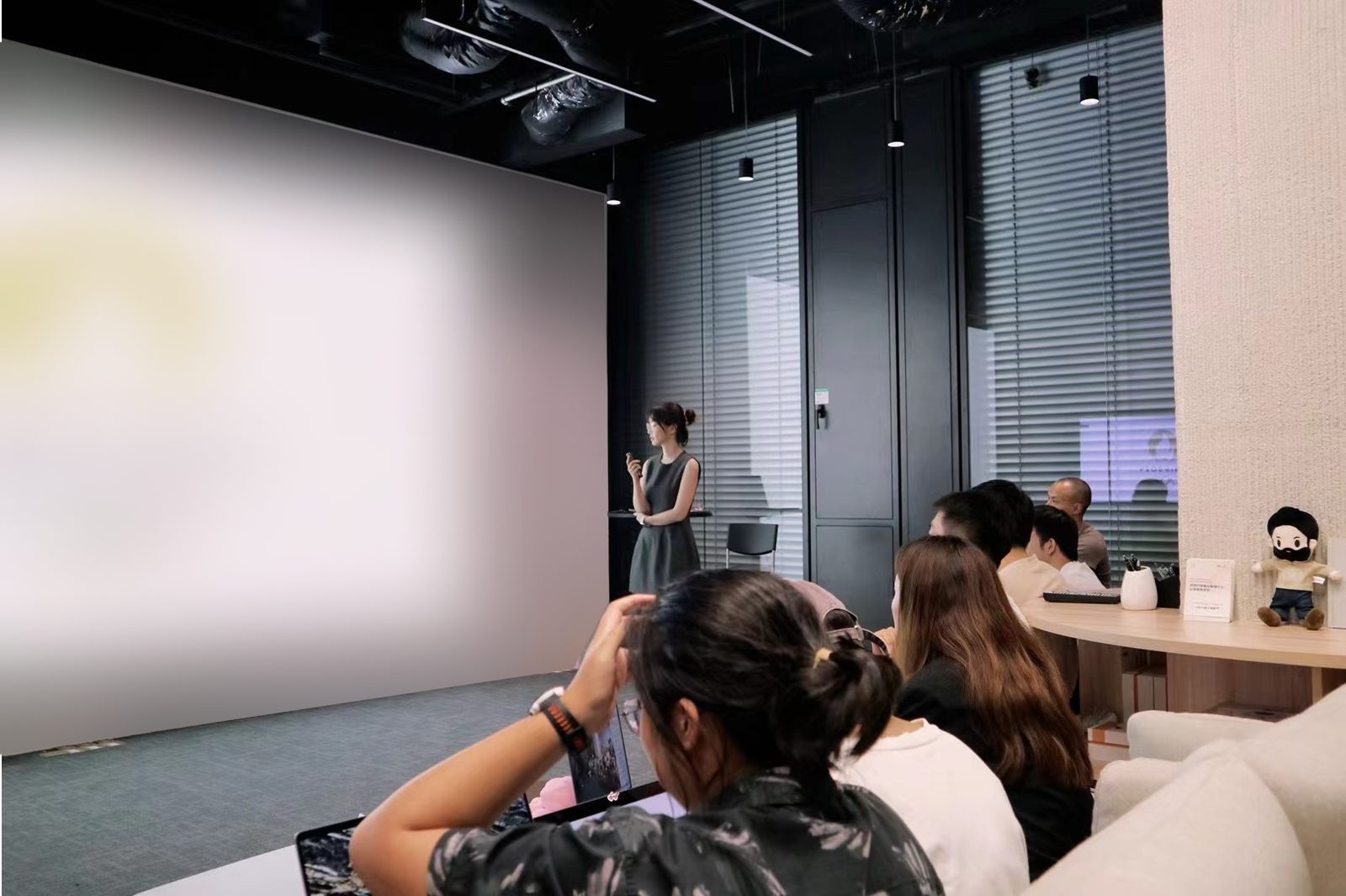
Presenting research findings to the Huawei product team
2024 · UI/UX · Data-driven

HuaweiOne design language across five B2B apps.

Three projects on identity, structure and cross-app consistency, all grounded in behaviour data.

View case study
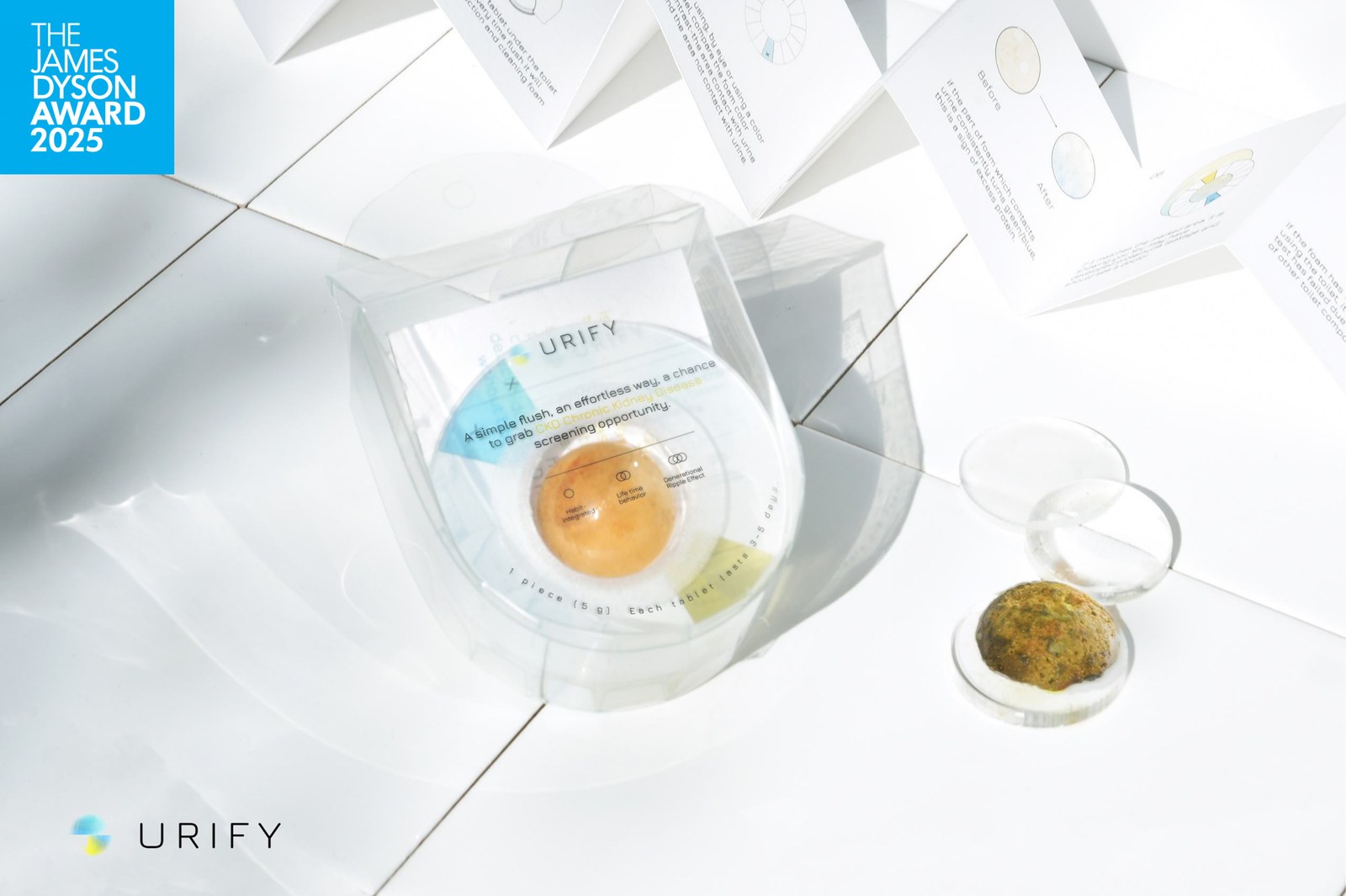
The Urify product, photographed for its James Dyson Award 2025 entry
2026 · Health care · 0–1 · Startup

UrifyMy father found out he had kidney disease years after it started. I designed a toilet tablet that would have told him sooner.

Founder and Product Owner. James Dyson Award UK Runner-up, Global Top 20, covered by Reuters and Dezeen.

View case study
More work AI and fintech, health, branding, Web3, interactive products and illustration
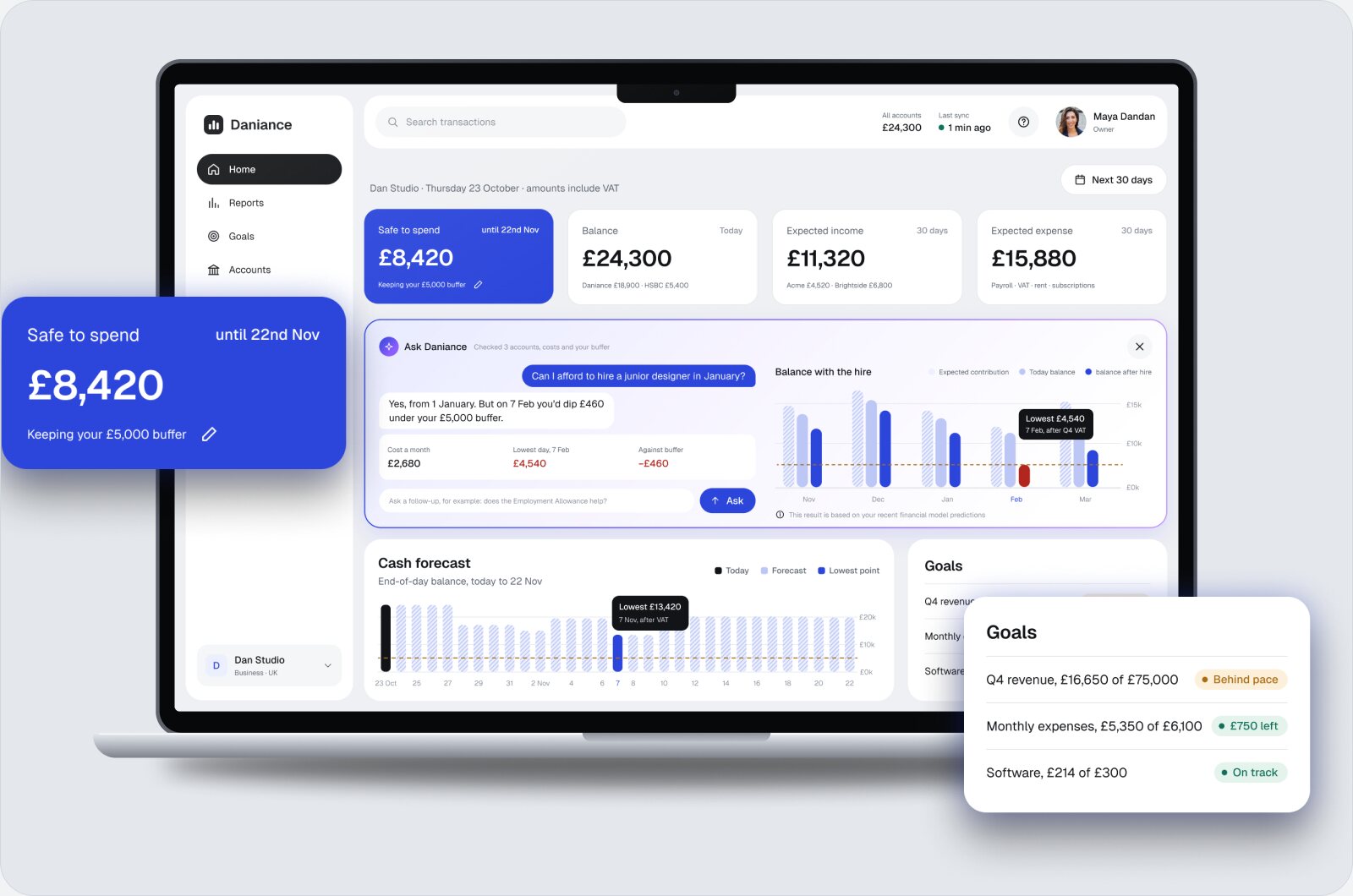
The Daniance home screen on a laptop, with the Safe to spend card and the Ask Daniance answer floating in front
2026 · Concept · AI · Fintech · 5 days

DanianceAn AI that answers “Can I afford to hire someone?” on a small business owner’s own forecast.

A five-day practice in AI and money. I held the assistant to my four rules for trust, and modelled the bank connection on the UK Open Banking guidelines.

View case study
2025 · Health · AI · 0–1

Innovate ADHDI rebuilt an ADHD assessment that people kept dropping out of. All five people with ADHD who tested it finished it.

Product manager, only designer, and the person doing the marketing. Built from nothing, live in two weeks.

View case study
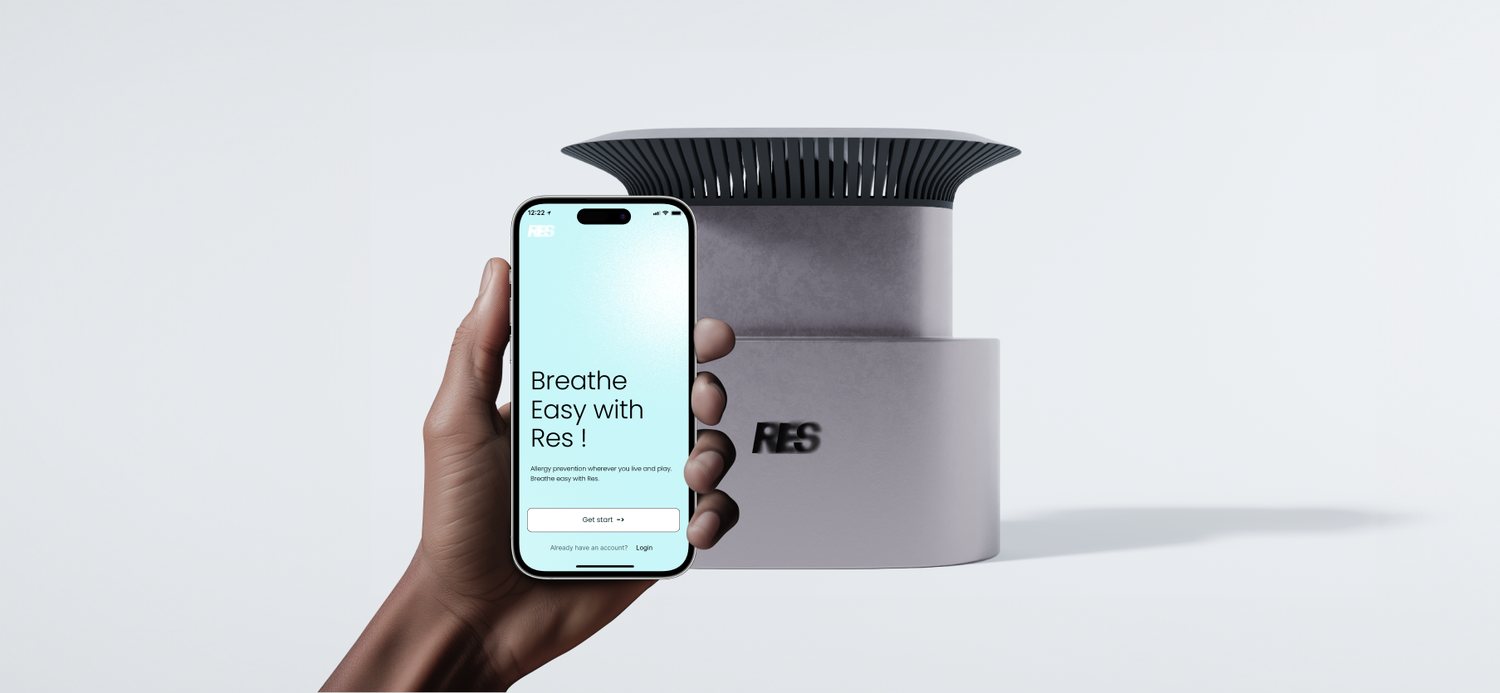
A hand holding a phone showing the RES app’s Breathe Easy welcome screen, with the RES sensor standing behind it
2025 · Health · Product · Design system

RESUsers ranked ten features in a workshop, and their top five became the roadmap.

Pollen data people act on. The map was A/B tested. DIA Award, and second prize at the Analytics for Society Award 2025.

View case study
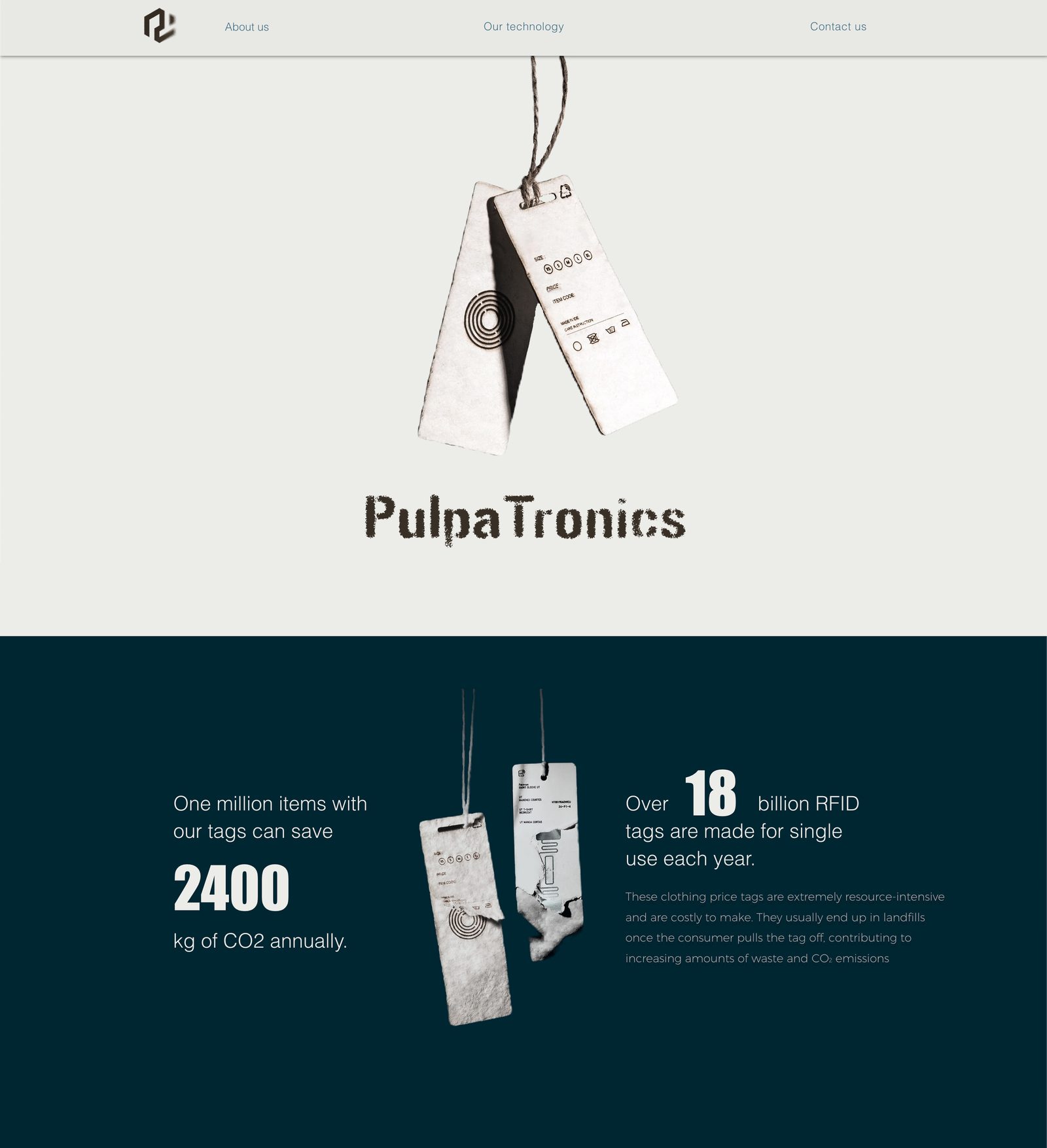
PulpaTronics website hero — hanging paper NFC tags
2024 · UI/UX · Branding · Startup

PulpatronicsA brand for a paper-electronics startup.

The only designer in a team of eight. Colour system, promotional material, and the visual support for their workshops.

View case study
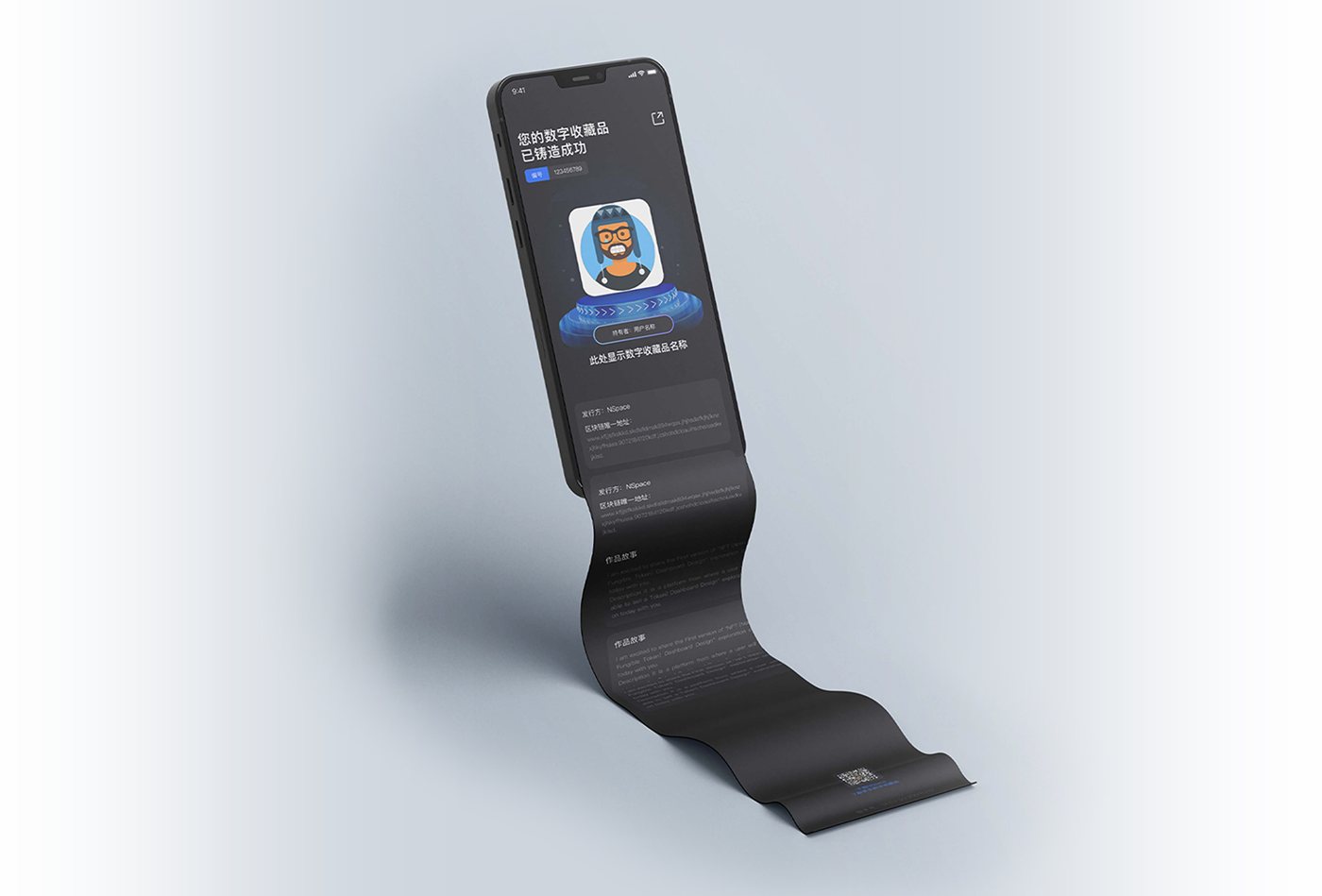
A minted NFT collectible shown on a phone mockup
2023 · Web3 · Startup

NFTA platform for making and trading your own avatar.

A Chinese NFT marketplace built in a one-month sprint, with the avatar builder at the centre of it.

View case study
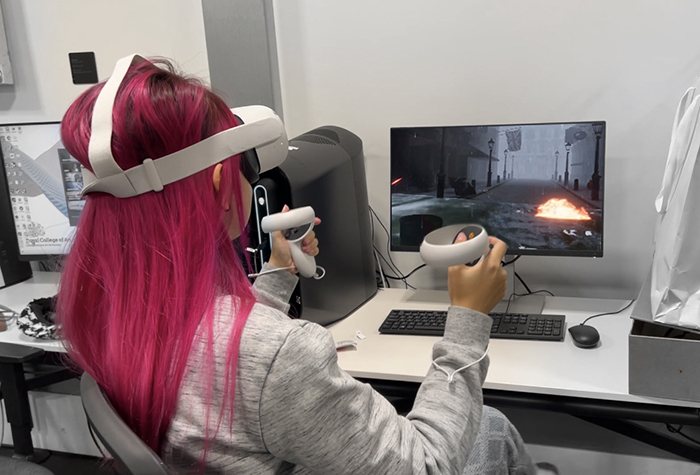
A playtester wearing a VR headset, controllers raised, in front of the flooded Westminster game world
2023 · Interactive product · VR · Unity

EntropyA VR world in a flooded Westminster.

I designed the whole loop: what a player sees, what they can do, and what the system does back.

View case study
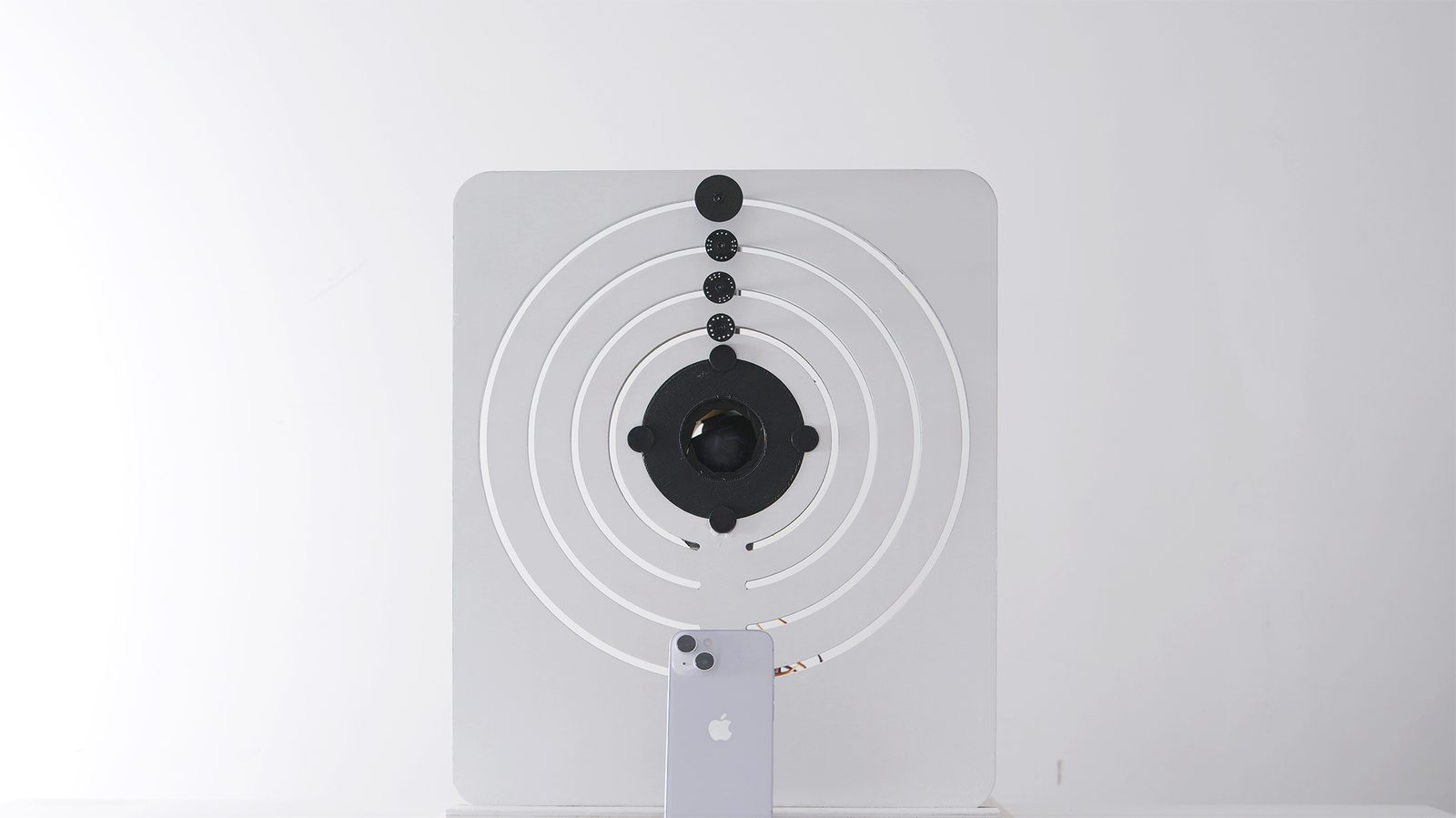
The gesture-controlled lock device
2023 · Interactive product · Machine learning · Hardware

GestureA lock with no keypad.

It reads four hand gestures and the angle each one turns to. Taken from an idea to a working device, machine learning included.

View case study
Fantasy-style illustration of a character holding a small glowing white rabbit
2024 · Design · Illustration

IllustratorFreelance illustration, 2019–2025.

Commission work, with the method and the style adapted to each client.

View case study
About

Research first. Then design.

I am a product designer and a researcher, based in London. I did a double master's in Innovation Design Engineering at Imperial College London and the Royal College of Art. I like problems that need science and people at the same time. Right now I am building Urify. It is a health product, and Imperial College London is incubating it.

How I work

How I work with AI.

I keep the editing for myself, along with anything that involves talking to a person. AI does the extracting, cross-checking, generating and testing around that. I wrote down the whole loop, and what building this way taught me about how much a system should decide on its own.

Trust is an old problem in a new place.

The last time software asked people to hand over something they cared about, it was money. Fintech spent ten years earning that trust, mostly through quiet details like a clear record of every payment, the reason behind it, and an easy way to cancel.

AI now asks for the same trust with decisions, and I think it gets earned the same way.

So when I design something that acts on a person’s behalf, I hold it to four things:

  1. The person can see what it did.
  2. The person can see why it did that.
  3. Every step can be traced backwards afterwards.
  4. The person can stop it, and stopping it is easy.

The fourth is the one I see missing most often.

I tried holding a finance assistant to all four in a five-day concept. That’s Daniance.

Prototyping with AI

I build the prototype, so the answer comes from use.

Some questions get answered by living with a product for a while, like whether anyone comes back to it on day nine. For those, I use AI to build a working version and put it in front of someone. MoodGuard is one I’ve kept using myself.

mood_guard.py

MoodGuard

A prototype I still use · macOS widget · built with Claude Code

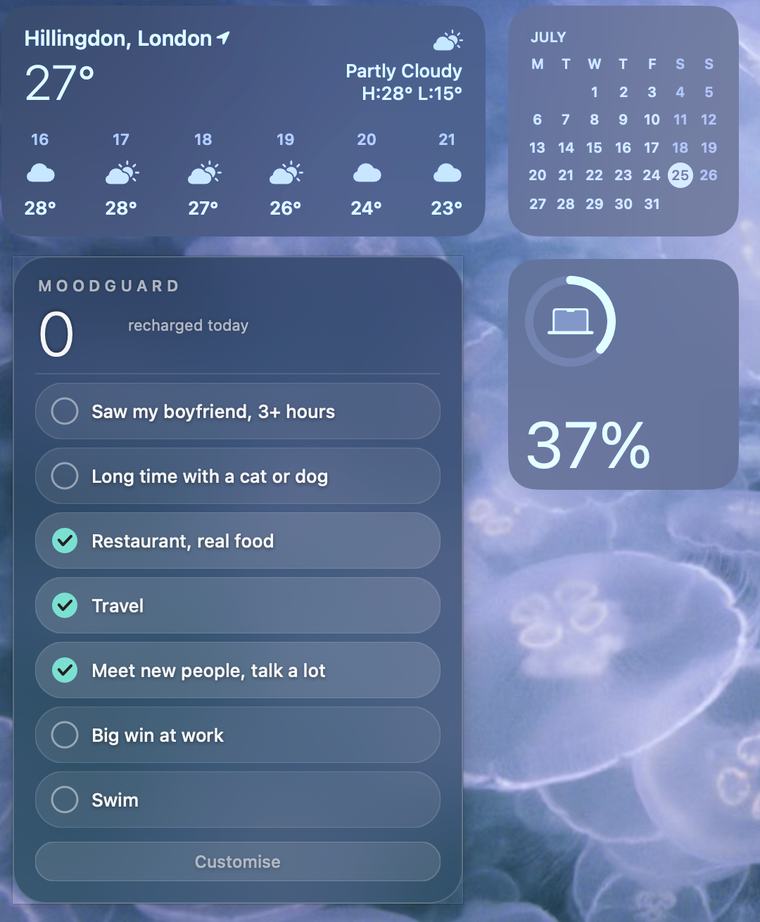
When I work alone on something urgent, I get absorbed and forget to eat, sleep and see people. So I built MoodGuard, a desktop widget that sits next to the stock ones and tracks what recharges me. You pick your own list, and tapping an activity’s pill fills it in for the day. A big number counts the days since the last one, and after 14 days it gives you a nudge, so there’s time to do something before a low mood lands. It’s free, and you can change all of it.

What it looks like ↓
The macOS menu bar with MoodGuard sitting among the normal icons: a flat, unimpressed face followed by the text 10d
The part I look at most. It lives in the menu bar, and the face changes with the count. Ten days without anything that recharged me, and it stops pretending to be fine.
MoodGuard on the macOS desktop beside the stock Weather, Calendar and battery widgets, showing a 0-day counter and seven activity pills with three checked off in mint
It sits at desktop level and looks like the stock widgets. Tap a pill to check it off for today.
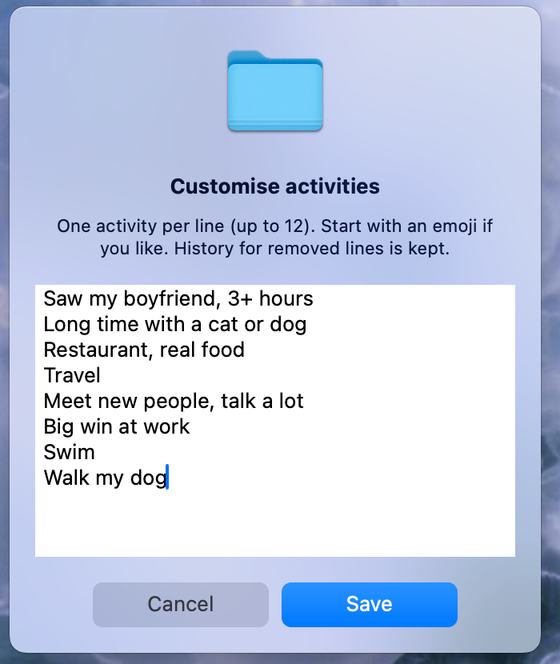
MoodGuard's customise sheet, a plain text box with one activity per line, being edited to add 'Walk my dog'
The list is yours. One activity per line, up to 12. Remove a line and it keeps the history.
Now

Mostly heads-down on weaving AI into everyday life with small, specific tools that take friction out of the day. Some ship as client work and some are for me, like the MoodGuard widget above. I’m also building Urify and designing at 1Soul.

Updated July 2026 · London
Contact

Let's work together.

Open to product design roles and collaborations in London and remotely.